Exploring Beneficial Dietary Components and Nutritional Supplements for Men's Well-being

Educational content only. No promises of outcomes.

Understanding Men's Core Nutritional Needs

Men have unique physiological characteristics that influence nutritional requirements. Understanding these differences helps in appreciating the general principles of a balanced diet. Factors such as metabolic rate, muscle composition, and nutrient absorption differ between individuals and can be influenced by various lifestyle factors.

A comprehensive approach to nutrition considers not just specific nutrients, but also the overall pattern of eating, the quality of food sources, and how dietary choices interact with other aspects of well-being including sleep, hydration, and physical activity.


Healthy nutrition

Key Vitamins for Male Well-being

Vitamins are organic compounds essential for numerous bodily functions. They support energy metabolism, immune function, and the maintenance of various body systems. Each vitamin has specific roles and can be obtained from diverse food sources.

Vitamin D and Bone Health

Vitamin D functions as both a nutrient and a hormone in the body. It supports calcium absorption, which is crucial for bone structure and integrity. Vitamin D is also involved in immune function and cellular growth. Sources include fatty fish, eggs, mushrooms exposed to sunlight, and fortified dairy products.

Vitamin D sources

B Vitamins and Energy Metabolism

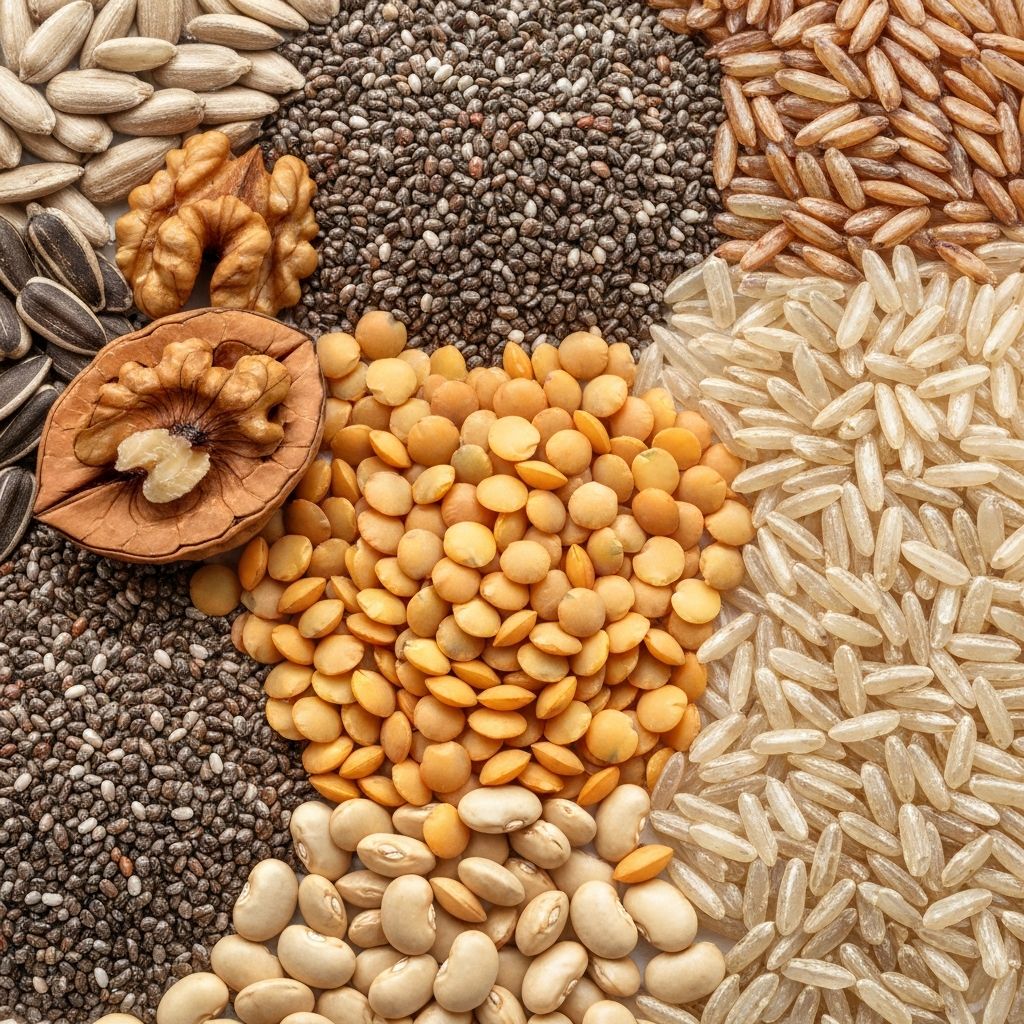
B vitamins play critical roles in converting food into energy. They are involved in DNA synthesis, nerve function, and the formation of red blood cells. Sources of B vitamins include whole grains, meat, poultry, eggs, legumes, nuts, and dark leafy greens. A varied diet typically provides adequate B vitamins from multiple sources.

B vitamins sources

Other Essential Vitamins

Vitamins A, C, and E function as antioxidants, supporting cellular health. Vitamin K is important for blood clotting and bone metabolism. These vitamins are abundant in colorful fruits and vegetables, whole grains, nuts, and seeds. The variety of food sources available makes it possible to obtain these vitamins through diverse dietary patterns.

Vitamin sources

Essential Minerals and Their Sources

Minerals are inorganic substances that support various physiological processes. They are components of bones and teeth, aid in muscle contraction, support nerve transmission, and maintain fluid balance. Each mineral has specific functions and dietary sources.

Mineral Key Functions Food Sources
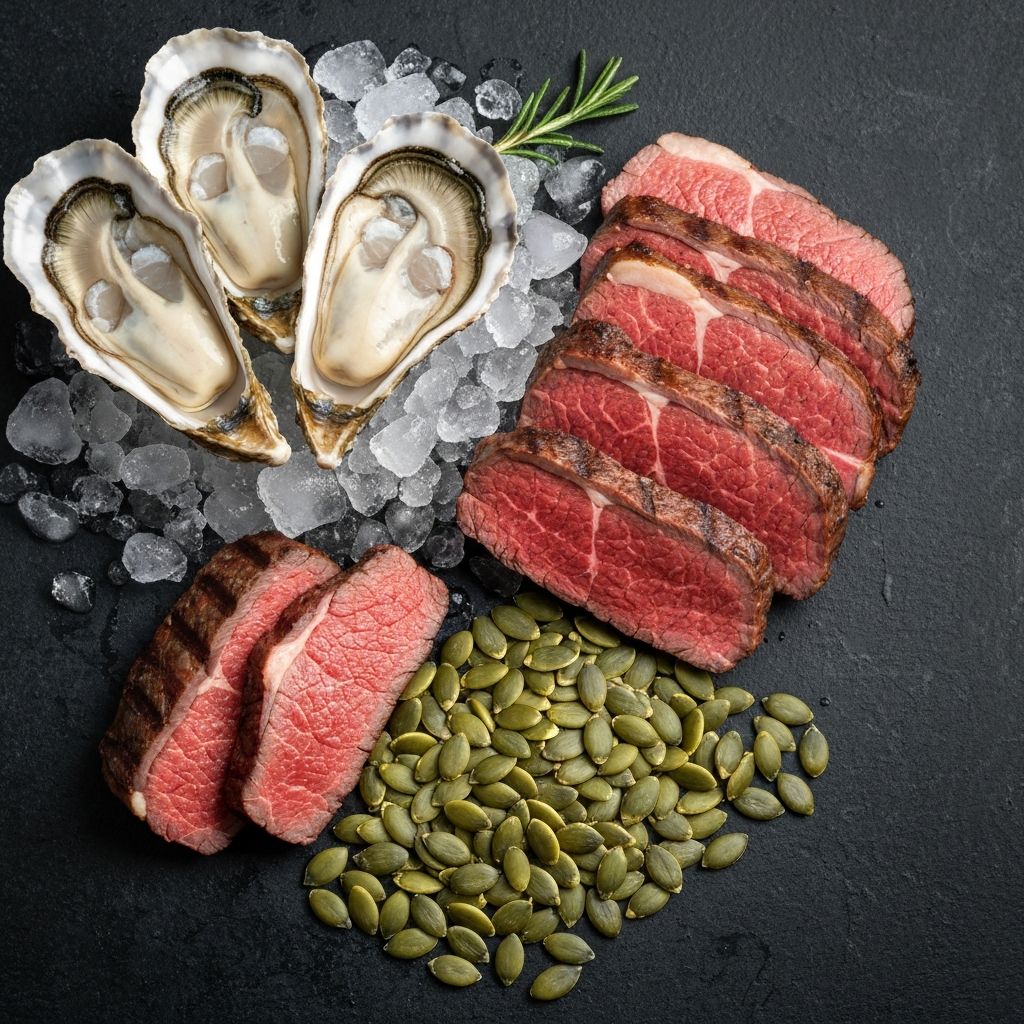
Zinc Immune function, protein synthesis, wound healing Oysters, beef, pumpkin seeds, chickpeas
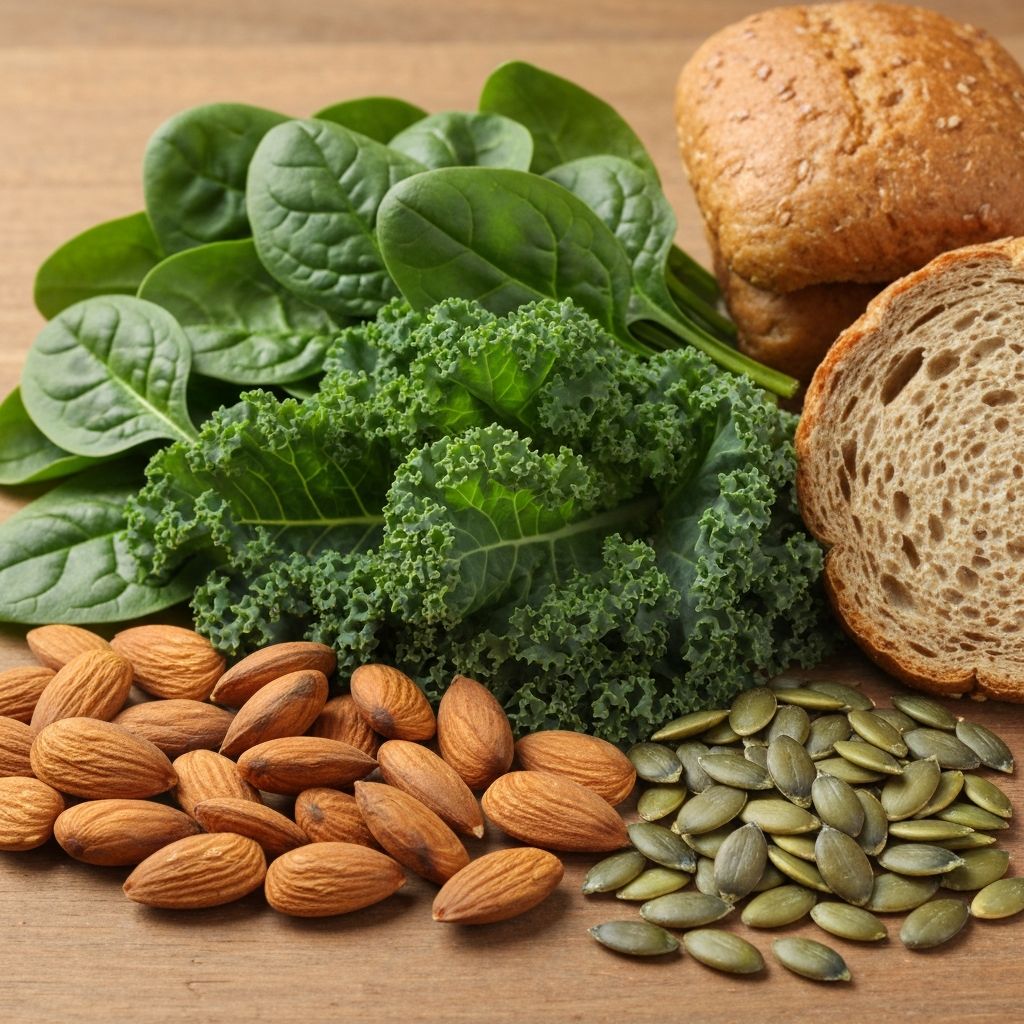
Magnesium Muscle function, energy production, bone structure Spinach, almonds, seeds, whole grains
Selenium Antioxidant function, thyroid health Brazil nuts, fish, whole grains, eggs
Iron Oxygen transport in blood Red meat, poultry, legumes, fortified cereals
Calcium Bone structure, muscle contraction, nerve function Dairy products, leafy greens, fortified plant-based drinks
Zinc sources

Zinc: Supporting Immune and Reproductive Functions

Zinc is involved in protein synthesis, wound healing, and immune response. It is found abundantly in oysters and beef, making animal products concentrated sources. Plant-based sources include pumpkin seeds and legumes.

Magnesium sources

Magnesium: Muscle and Energy Support

Magnesium is crucial for muscle function and energy production. Dark leafy greens like spinach are excellent sources, along with nuts, seeds, and whole grains. Adequate magnesium intake supports optimal muscle function and relaxation.

Selenium sources

Selenium: Thyroid and Antioxidant Support

Selenium is essential for thyroid function and acts as an antioxidant. Brazil nuts are remarkably concentrated sources of selenium, though fish, whole grains, and eggs also provide meaningful amounts.

Protein: Building Blocks for Men

Protein is composed of amino acids, which serve numerous functions beyond muscle structure. Amino acids are involved in enzyme production, hormone synthesis, immune function, and the maintenance of skin, hair, and nails. A balanced intake of protein from varied sources supports these diverse functions.

Protein sources include animal products such as meat, poultry, and fish, as well as plant-based options like legumes, nuts, seeds, and whole grains. Each source brings different nutrient profiles, making dietary variety valuable for comprehensive nutrition.

Protein sources

The Role of Healthy Fats

Fats are essential macronutrients that support numerous physiological functions. They facilitate the absorption of fat-soluble vitamins, support hormone production, and provide energy. Different types of fats have varying effects on health, and understanding these differences supports informed dietary choices.

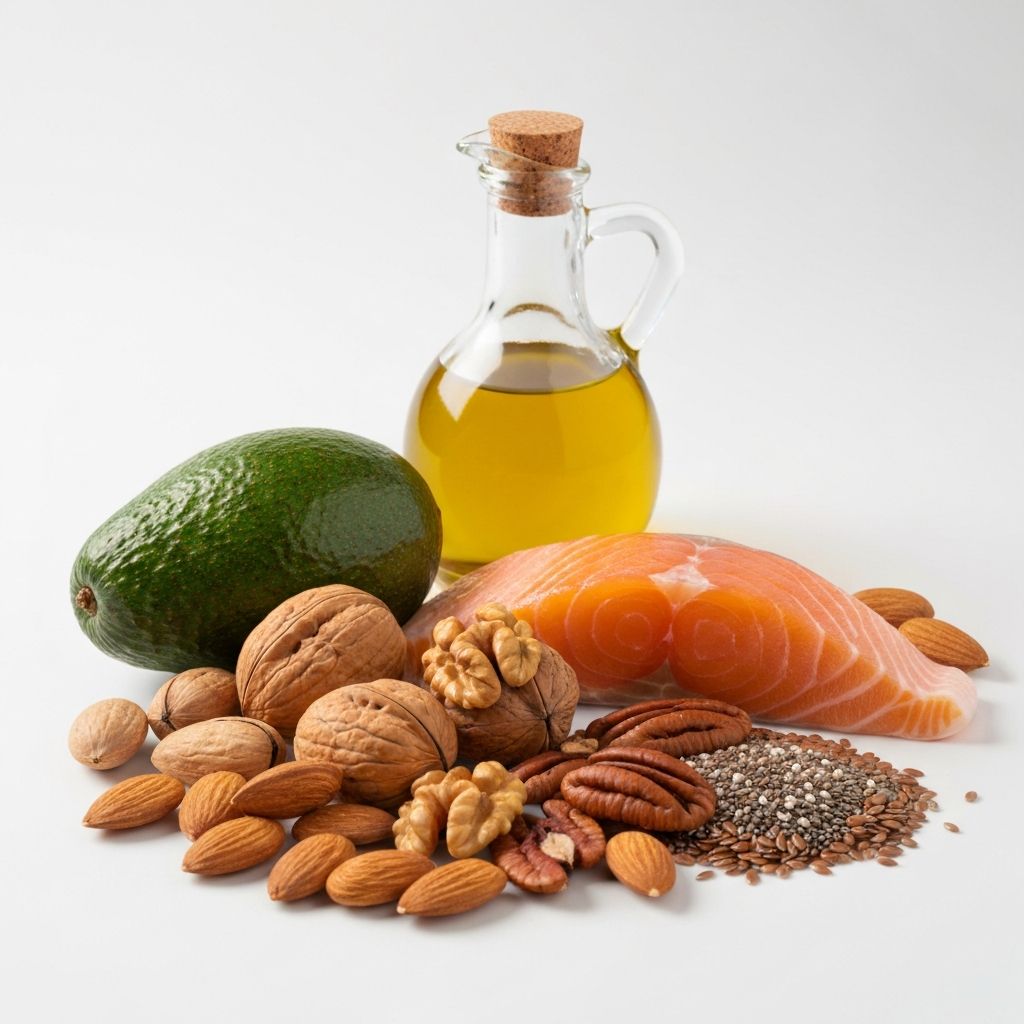
Unsaturated fats, found in foods like avocados, olive oil, nuts, and fatty fish, are generally considered beneficial for cardiovascular health. These foods also provide other nutrients including minerals and vitamins, making them valuable components of a balanced diet.

Healthy fats

Fiber: Digestive Health and Beyond

Dietary fiber is a carbohydrate that the body cannot fully digest, yet it plays important roles in digestive health and overall well-being. Fiber supports regular bowel movements, feeds beneficial bacteria in the digestive system, and contributes to feelings of fullness.

Hydration: A Foundation for Energy

Water is essential for all bodily functions, yet is often overlooked as a nutritional component. Adequate hydration supports nutrient transport, temperature regulation, cognitive function, and physical performance. Individual hydration needs vary based on activity level, climate, and other factors.

While total fluid intake includes water from food and other beverages, plain water remains the most straightforward way to meet hydration needs. Listening to thirst cues and observing the color of urine (pale yellow generally indicates adequate hydration) are practical approaches to assessing hydration status.

Antioxidants: Protecting Cellular Health

Antioxidants are compounds that help protect cells from oxidative stress, a natural process that occurs in the body. Vitamins C and E, selenium, and various plant compounds function as antioxidants. A diet rich in colorful fruits and vegetables naturally provides diverse antioxidants.

Foods including berries, leafy greens, nuts, and whole grains are good sources of antioxidants. The variety of these foods ensures exposure to many different antioxidant compounds, each with potentially unique properties. This diversity supports the principle that a varied diet is beneficial for comprehensive nutrition.

Gut Health: Impact on Overall Well-being

The gut microbiome is a complex ecosystem of bacteria that influences digestion, immune function, and even mental health through various biochemical pathways. The foods we consume directly affect the composition and function of this microbial community.

Fiber-rich foods, fermented foods, and a diverse diet of whole foods support the growth of beneficial bacteria. Conversely, highly processed foods and excessive sugar may negatively impact microbial diversity. This relationship between diet and gut health illustrates how dietary choices ripple through multiple body systems.

Plant-Based Nutrition for Men

Plant-based diets can fully support male nutritional needs when planned thoughtfully. Plant foods provide protein, vitamins, minerals, and fiber. A variety of legumes, nuts, seeds, whole grains, and vegetables provides all essential amino acids and micronutrients.

Combining different plant protein sources (such as beans with rice, or nuts with grains) provides complete amino acid profiles. Incorporating diverse plants ensures a broad spectrum of vitamins, minerals, and phytonutrients. Plant-based eating patterns have been associated with various health benefits and environmental advantages.

The Importance of a Balanced Diet

A balanced diet incorporating diverse whole foods forms the foundation for comprehensive nutrition. Rather than focusing on individual nutrients or foods, viewing nutrition as an integrated pattern is more practical and sustainable.

Variety

Consuming different foods ensures exposure to diverse nutrients and beneficial compounds.

Whole Foods

Minimally processed foods retain nutrients and fiber that may be lost in processing.

Portion Awareness

Appropriate portion sizes support energy balance and prevent overconsumption.

Lifestyle Factors Influencing Nutrition

Nutrition does not exist in isolation. Sleep, stress management, physical activity, and hydration all interact with dietary choices and overall well-being.

Final Thoughts

Understanding the nutritional components of food and how they support body functions empowers individuals to make informed dietary choices. This educational content provides a foundation for appreciating the science of nutrition and the diversity of dietary approaches that can support well-being.

Explore More Articles

Educational content only. No promises of outcomes.